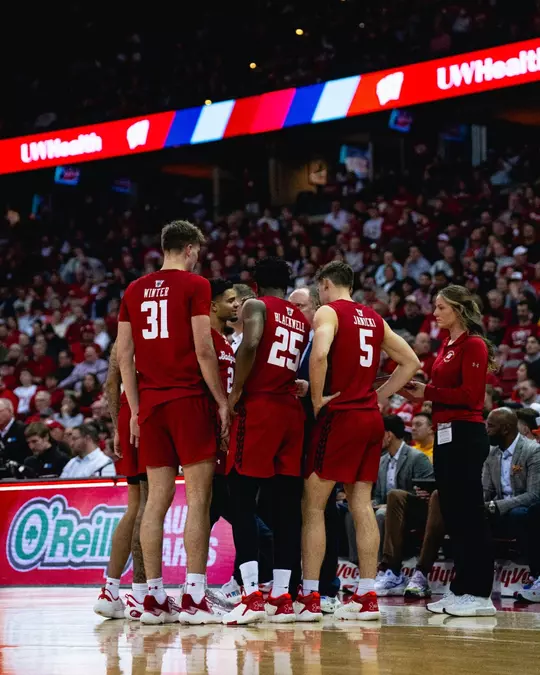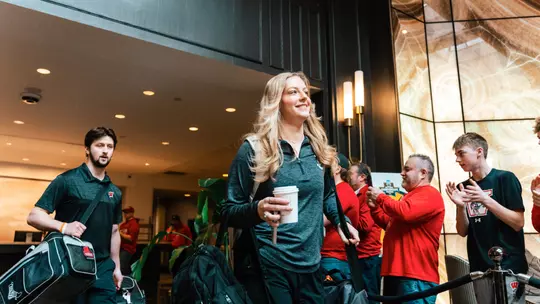
Quiet work, loud impact: How Taylor Yaklich’s pivotal tasks prepare men’s basketball for big moments
Charlie Parent
2/6/2026
MADISON, Wis. – Wisconsin men’s basketball practice may start at 9 a.m., but the work for Head Manager Taylor Yaklich begins long before the players step foot in the Kohl Center. Yaklich arrives at 6 a.m., checking in with her team of 18 managers as they rack balls, sync clocks, put down tape and polish the floor until it glimmers. She tends to coaches and players as they come in for the morning, before grabbing her clipboard and beginning the day’s session.
Nothing feels rushed, nor improvised – the gym is exactly how it should be, and how it always is every morning, thanks to Taylor and her team’s hard work.
“Managers are vital for the success of our program,” UW head coach Greg Gard said. “They never get the credit, but they’re exceptionally vital. There are so many things they have to do that are key to the function and success of all that we do here.”
UW Video Coordinator AJ Van Handel, who began his career in Madison as a manager from 2006-10, reiterated Gard’s sentiment.
“This crew is the lifeblood of our program,” he said. “They do all the little things like packing the bus, moving equipment around. They all work in our office, and it’s practically a full-time gig these days. The head manager takes over a lot of our meal ordering, while scheduling all of these guys for practice and games. During game day they greet our visitors, getting them to the visiting locker room. They help me with film and do the simple things to make sure our coaching staff has enough time as possible to work with our team and scout our opponent.”
No job is ever too small for me. There was always something that I was going to show up and do 100%, no matter what.Taylor Yaklich
These “little things” are Yaklich’s most cherished moments. It’s not the wins and losses, or when the lights are brightest, but her best memories come from the hours that make those moments possible. The repetition, preparation, consistency and discipline to treat every task like it matters, no matter how big or small.
For her, becoming UW’s first female head manager during the Greg Gard era is a testament to that exactly: working her tail off to ensure every task is carried out, in order to gain even more trust from her coaches, players and fellow managers.
“No job is ever too small for me,” Yaklich said. “Even if it’s wiping up sweat the entire practice, – or the high pressure of getting put on clock duty – there was always something that I was going to show up and do 100%, no matter what. That translates to the coaches and other managers in leadership positions trusting me to be that person, to be a go-to person that was able to do things not many others knew quite yet.”
Yaklich is comfortable here because of the exposure she’s gotten her whole life. The daughter of former Division I coach Luke Yaklich – who most recently was the head man at UIC after stints with Illinois State, Michigan and Texas – Taylor Yaklich has unconsciously been preparing to lead within a Division I program since she could walk. What started off as running sprints with her dad’s players, turned into pacing the mile for ISU, and spending countless hours in the gym during high school, either for her own basketball team, or her father’s.
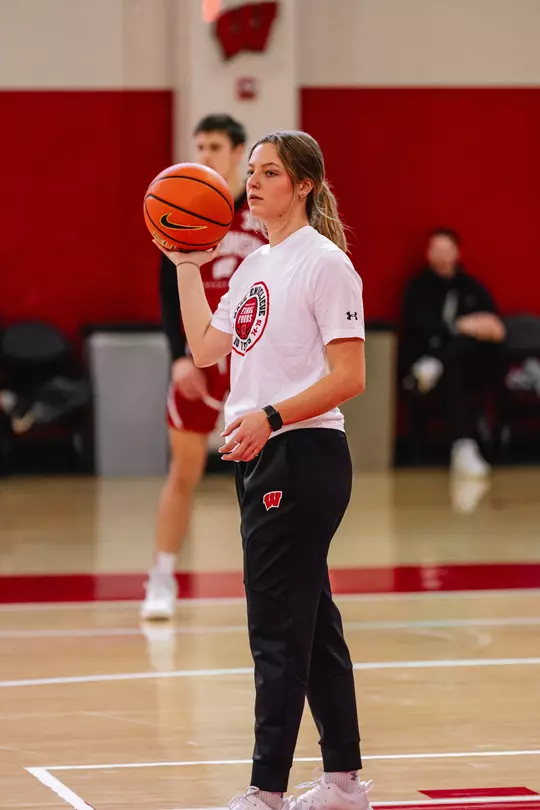
“What I’ve been impressed with most is her calmness and preparedness,” Gard said. “She’s been in the fire before, and seen it up close, being a coach's kid. She’s not shocked by anything that goes on in practice.”
Due to the everchanging NCAA coach’s carousel, Yaklich went to three high schools, in three years, in three different states. To stay centered, she found solace in playing sports or helping her dad’s team, ultimately trying to be in the gym as much as possible. Being accustomed, and almost joyful, for long hours, Yaklich was comfortable with the managerial lifestyle before she stepped foot in the Kohl Center.
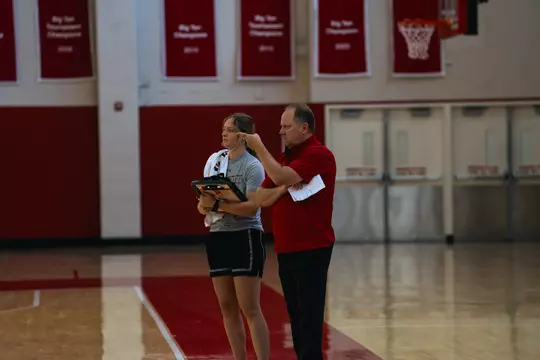
That comfort didn’t mean the next step came without uncertainty. When Yaklich interviewed for the student manager role three years ago, she walked into a space she understood, but faces she had never met. As the interview began, she found herself in front of seven men, trying to answer a question she had planned beforehand: whether there were any other female managers working in such a male-dominated space.
A scheduling conflict meant Yaklich had to interview alone, atypical as the student managers usually go in clusters, so she never interacted with a woman during hiring. However, Yaklich didn’t ask her question because of an early sense that the program was more than just basketball, it’s an inclusive family. Her instincts were correct as UW has continued to have well-balanced staffs over the years, especially since Katherine Wodajo pioneered her way in the early 2000s. Wodajo, formerly Vosters, was the Director of Basketball Operations under Bo Ryan and Greg Gard, among various other roles. She broke the mold for females at UW, and got the program more adept with the fact that gender is not a barrier.
“This is a family. As cliche as it might sound, we are a family,” Yaklich said. “It's turned into something really special. Coaches will talk to us before practice. They want to know about our lives, and they realize that we are 20-some-year-olds figuring out life… It's hard not to address the stigma of working in a male-dominant space, but it's not something that we ever talk down upon. We're always excited to be those people in the gym. When we think of managers in Wisconsin basketball, it's not a segregated thing. It's working your ass off to be a great manager, and people recognize you for that. People know how hard we work, especially our coaches and manager crew.”
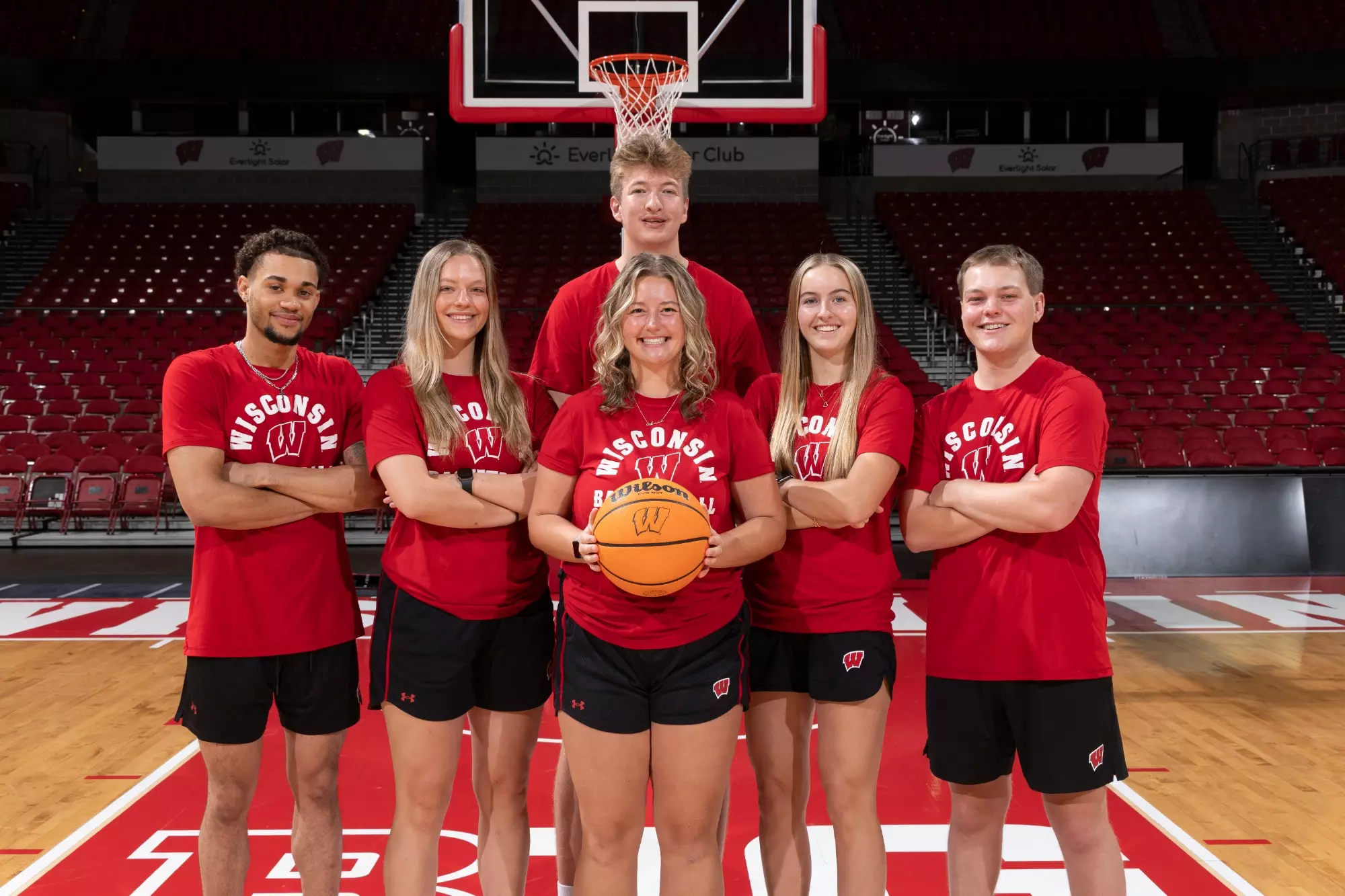
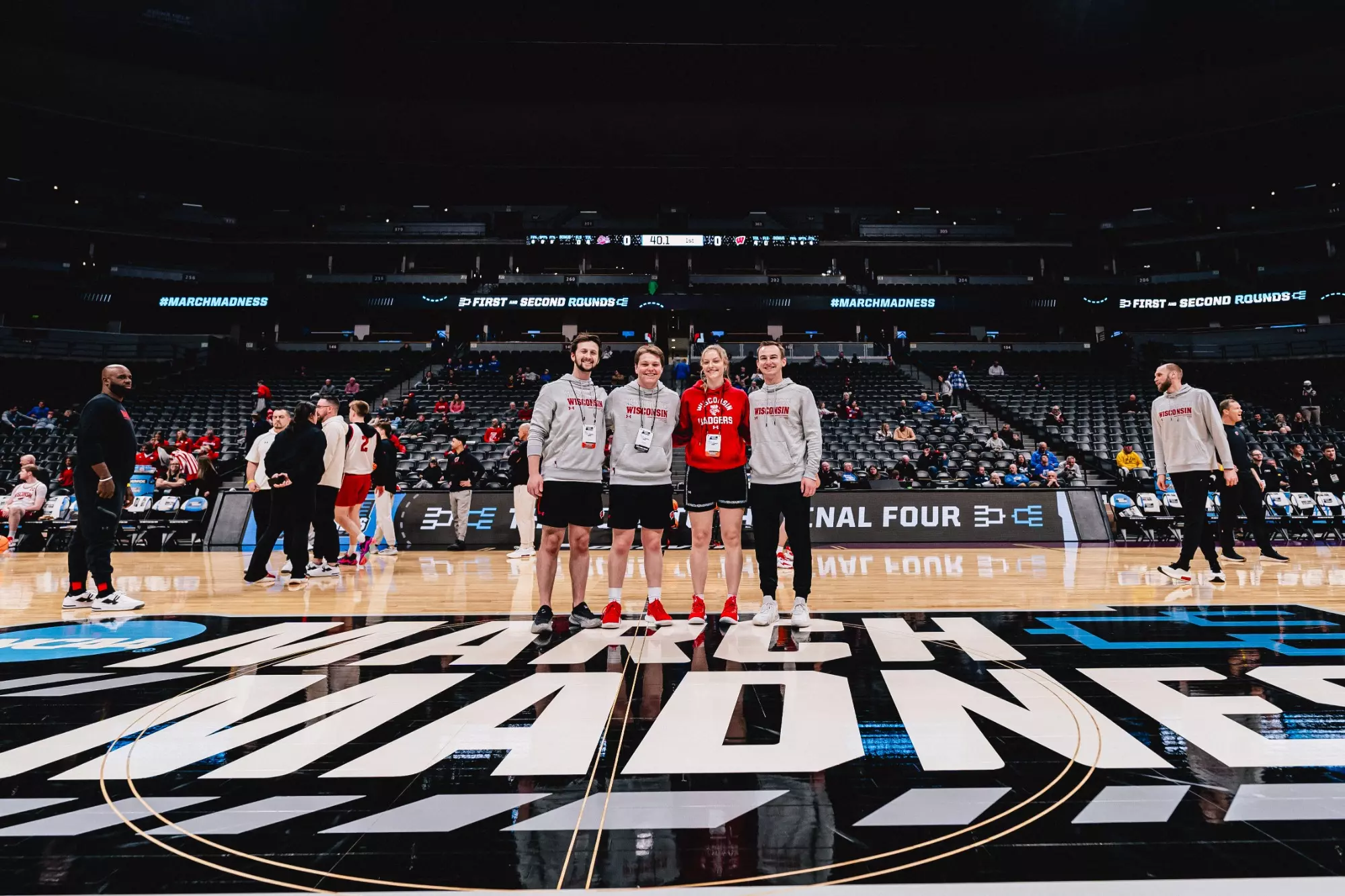
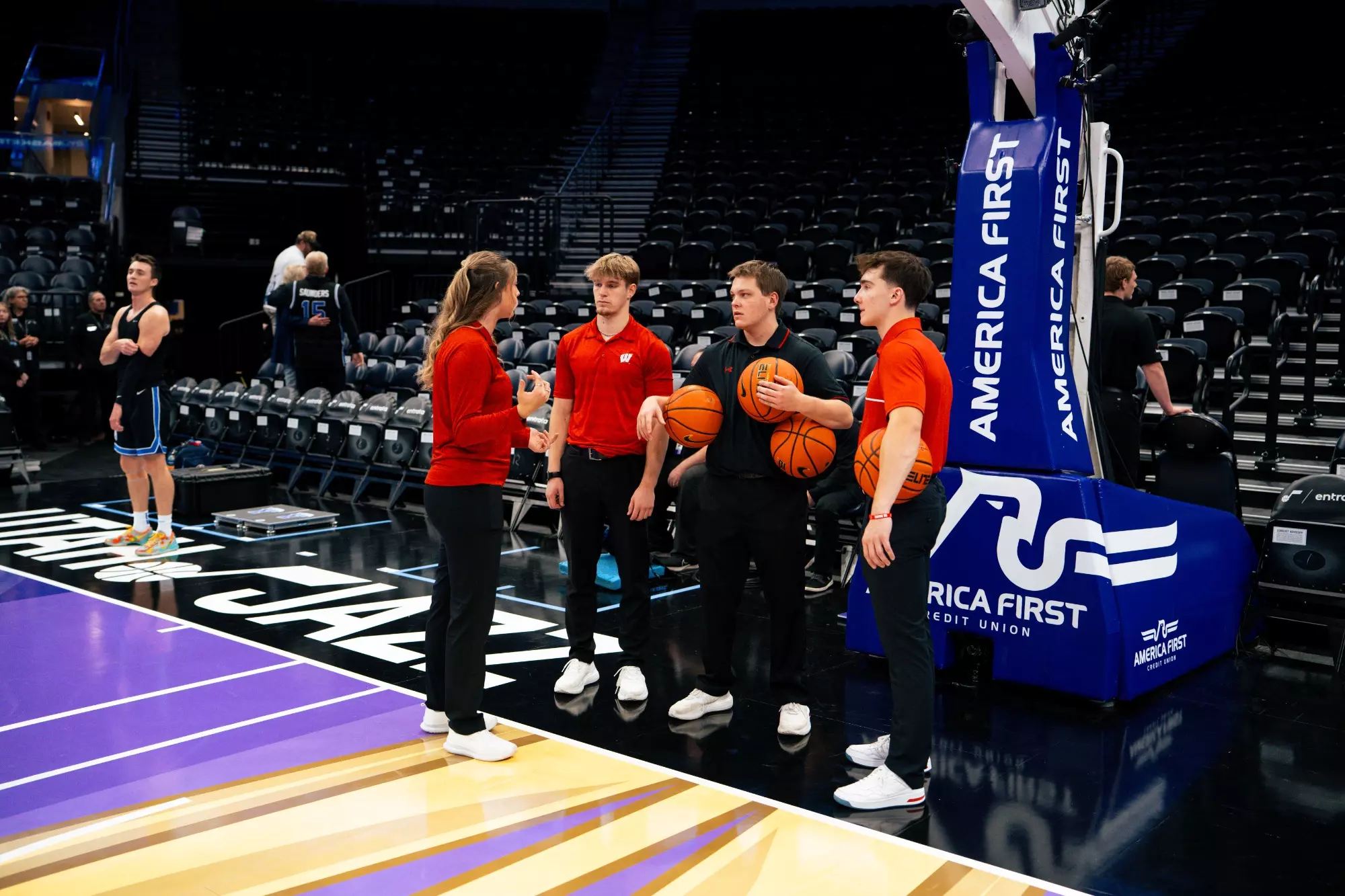
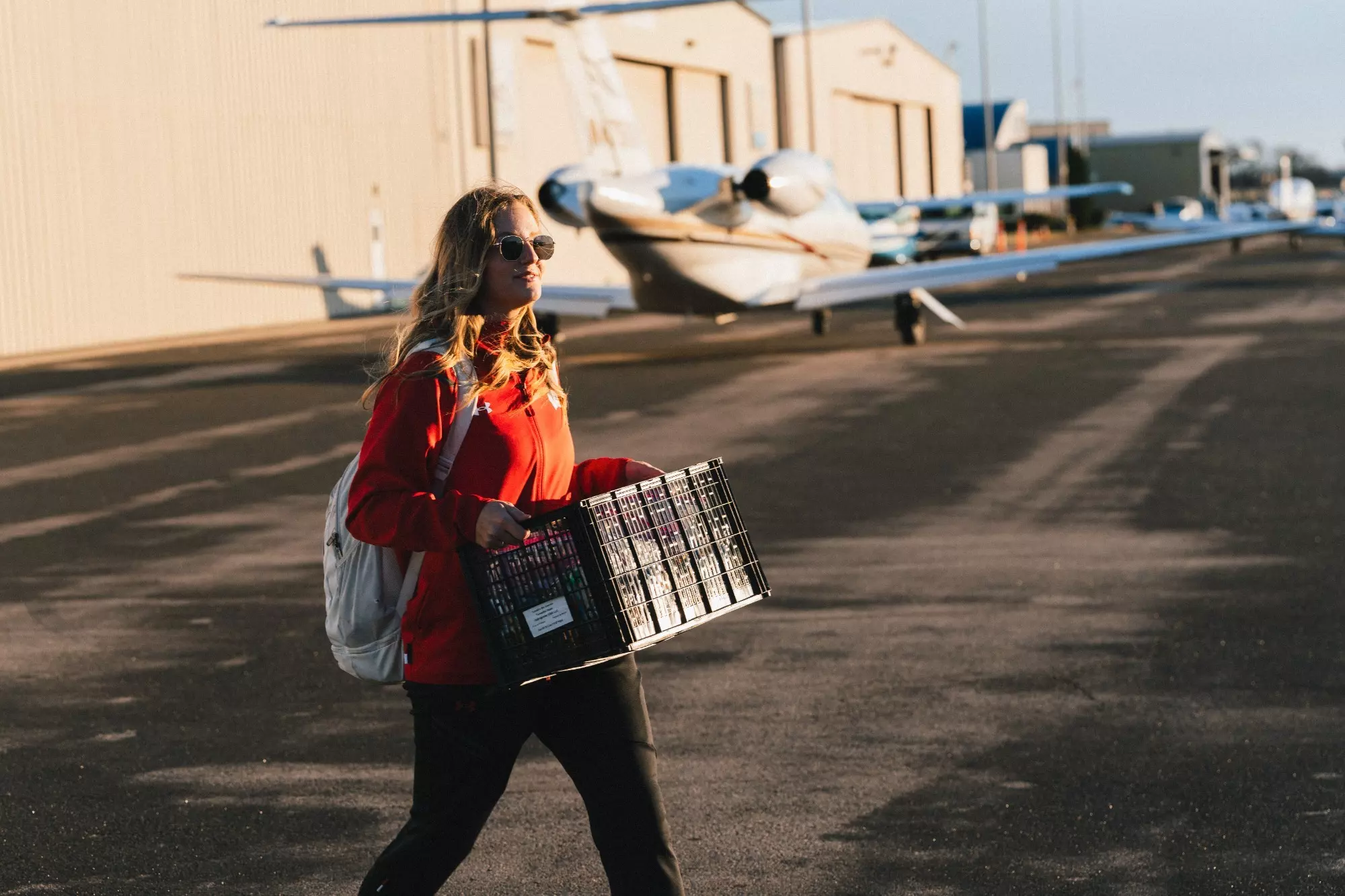
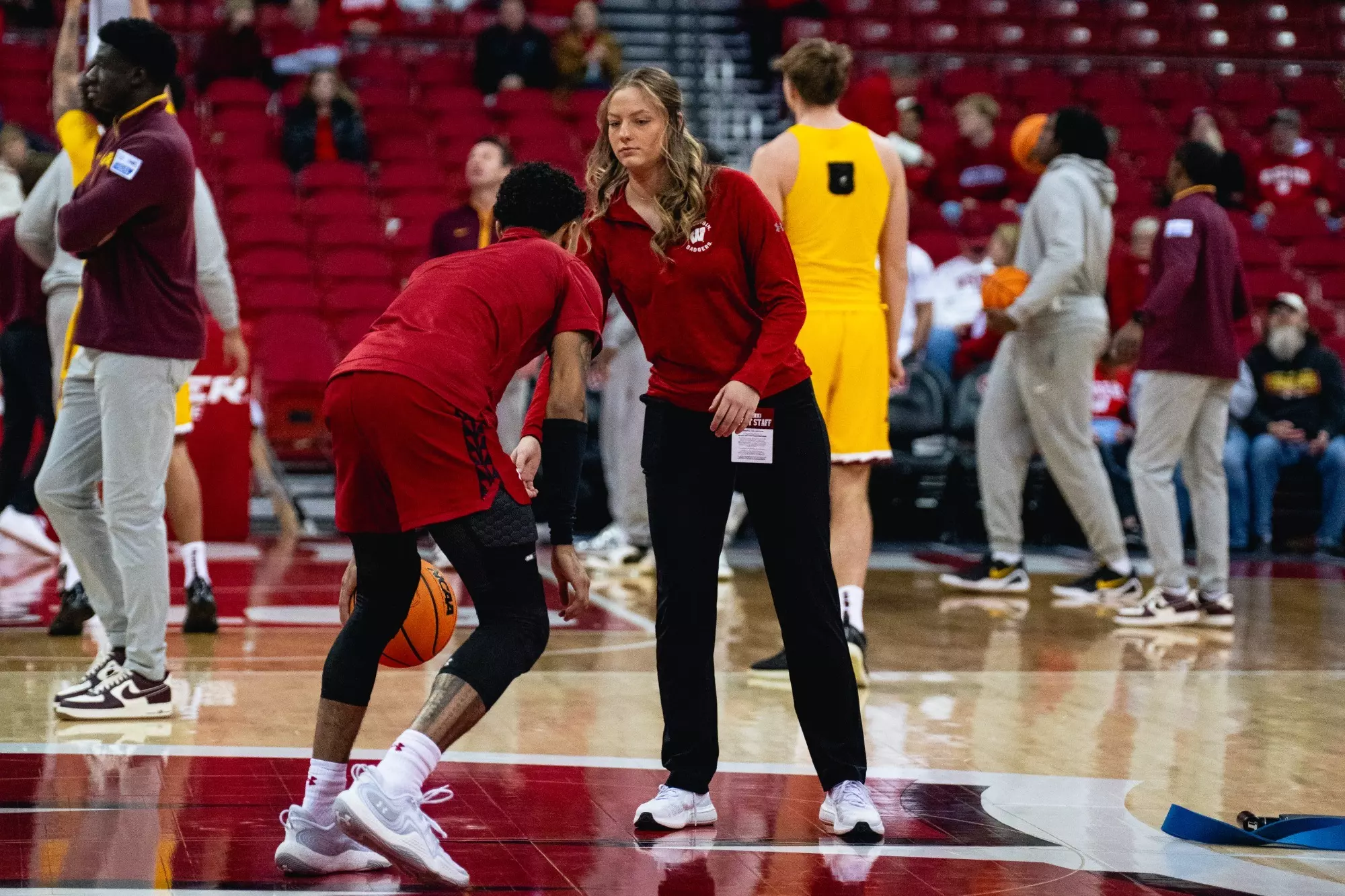
General Manager Marc VandeWettering echoed this recognition, especially because he knows what it takes as a former UW manager himself (2011-14). The Badger program has three former Division I managers on staff – Operations Coordinator Eli Wilke, Van Handel, and VandeWettering – so familiarity with the job’s unique structure is prevalent at the top level.
“Taylor has done an outstanding job positioning herself in a really difficult space for a lot of people – being a woman in a male-dominated space on the men’s basketball side – it’s not an easy spot to be in,” VandeWettering said. “She’s come in, fully embraced the opportunity in front of her and earned everything she’s been given. She’s worked her tail off, put the hours in and built up trust with the coaches, players and support staff around her, that the job is going to get done. From Day 1, she’s been paying attention to people in front of her, and when the time came it was a no-brainer that she had earned a leadership role. It’s a kudos to her, her work ethic, and I couldn’t be more proud to have her in this program because she’s been an incredible manager for us.”
Over the years, that mentality has propelled Yaklich to the head manager role, and shapes how she leads others from her position. Managers must be organized, be jack-of-all-trades individuals, and capable of completing tasks on their own. A common joke within the program is if you don’t know something, “just figure it out.”
Yaklich’s standard starts with the same principle: the work always matters, someone has to do it, and no one is above it. It’s a mantra that managers before her have instilled in the younger groups, but something she continues to preach everyday.
“It was taught to us by the people that graduated before us, but she’s [Taylor] really emphasized it this year,” senior manager Anna Schneider said. “Not only at practice, but when she’s up in the office, seeing her willing to do anything to make us better, makes it much easier to do it ourselves.”
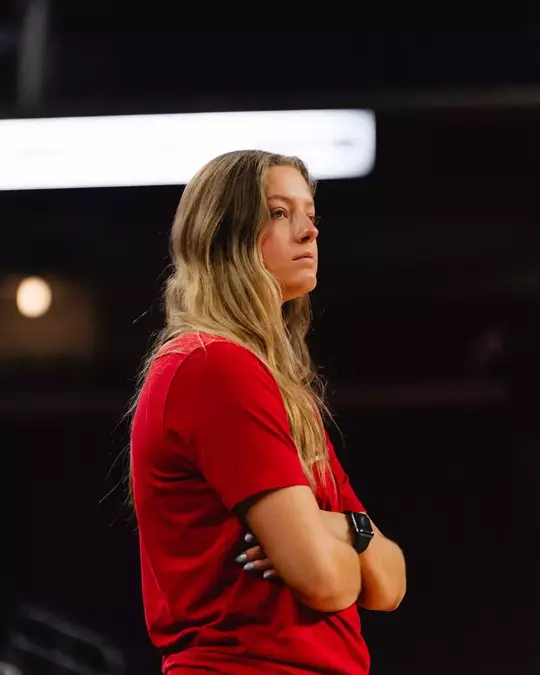
Like any work promotion, Yaklich had things to build upon to become a good head manager. She didn’t get instant authority, rather grew into her leadership qualities, and ultimately learned to utilize those effectively in her new role. Being a head manager is like being a head coach. Yaklich is constantly teaching the rest of her crew how to grow, while figuring out their strengths and weaknesses to put them in a position that will benefit UW the most.
Everyone in the program is aware of Yaklich’s growth as a leader, and everyone is eager to comment on it to recognize the crucial impact she’s made.
“Her confidence has grown a ton,” Assistant Director of Basketball Operations Lindsey Lovelace said. “Even just this year, over the last few months, she’s seeing that it’s okay to not have to feel like a woman in a male dominated sport. She feels free to do her job, and she does that job well. She’s not afraid to speak up when she needs to get the other managers going, or needs to come in and ask Coach Gard something.”
She’s not afraid to use her voice to set things straight, let people know where they need to be, and how to get things done.Nolan Winter on Taylor Yaklich
From a player’s perspective, the relationship with a manager is unique. Managers are instrumental in player development with their rebounding, or even just bright faces to chat with in the meal room. The time comes, though, where managers need to organize players for certain drills, set someone straight for dropping focus, or give playful abuse for not knowing a play, all areas that Yaklich has thrived at.
“Vocally, she’s really grown,” junior forward Nolan Winter said. “As you learn from the previous managers – just like you do players – she’s picked up things over the past few years, she’s learned and she’s stepped into new roles. As head manager, you can see her leadership really come out. She’s not afraid to use her voice to set things straight, let people know where they need to be, and how to get things done. She’s seen it all and knows what it takes to run a successful program, she’s done an amazing job.”
Yaklich’s growth hasn’t affected her day-to-day operations, rather changes the standard around her. Long after the practices end and seasons turn over, her habits will forever be embedded in Wisconsin’s manager culture, like those before her.
Yaklich wants her influence to show up in those who come after her. First-year managers learn quickly what the role demands, not because they're told, but because they see it modeled by those around them. No role is too small, and no task too light.
For Yaklich, that impact matters most. She knows work won’t stop when she graduates, but this once-in-a-lifetime opportunity will. What matters to her is leaving behind a smooth-running program with a group of managers confident in their ability, knowing that the reward comes through every step of the journey.
“Ultimately, what you put into this program is what you're going to get out of it. I just want to be the person that first-years look back on at the end of their time, and find themselves thinking that I was someone who worked their ass off and set a precedent in the program that nothing is easy, and everything is worthwhile.”