Baggot: Qualls' passing offers chance to reflect, honor
March 01, 2024 | Women's Basketball, Andy Baggot
Moseley and women's basketball team appreciative of trailblazer

MADISON, Wis. -- Wisconsin women’s basketball coach Marisa Moseley was looking forward to meeting one of her legendary predecessors.
As part of a trip to Maryland for a Big Ten Conference game on Thursday, Moseley and her players were scheduled to sit down with Edwina Qualls and members of her family.
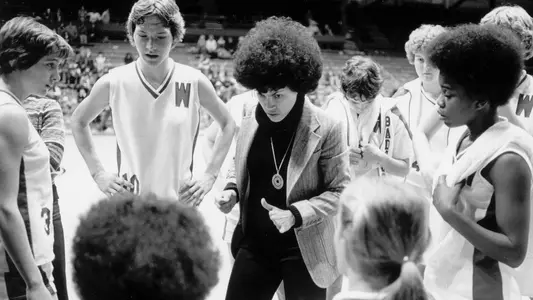
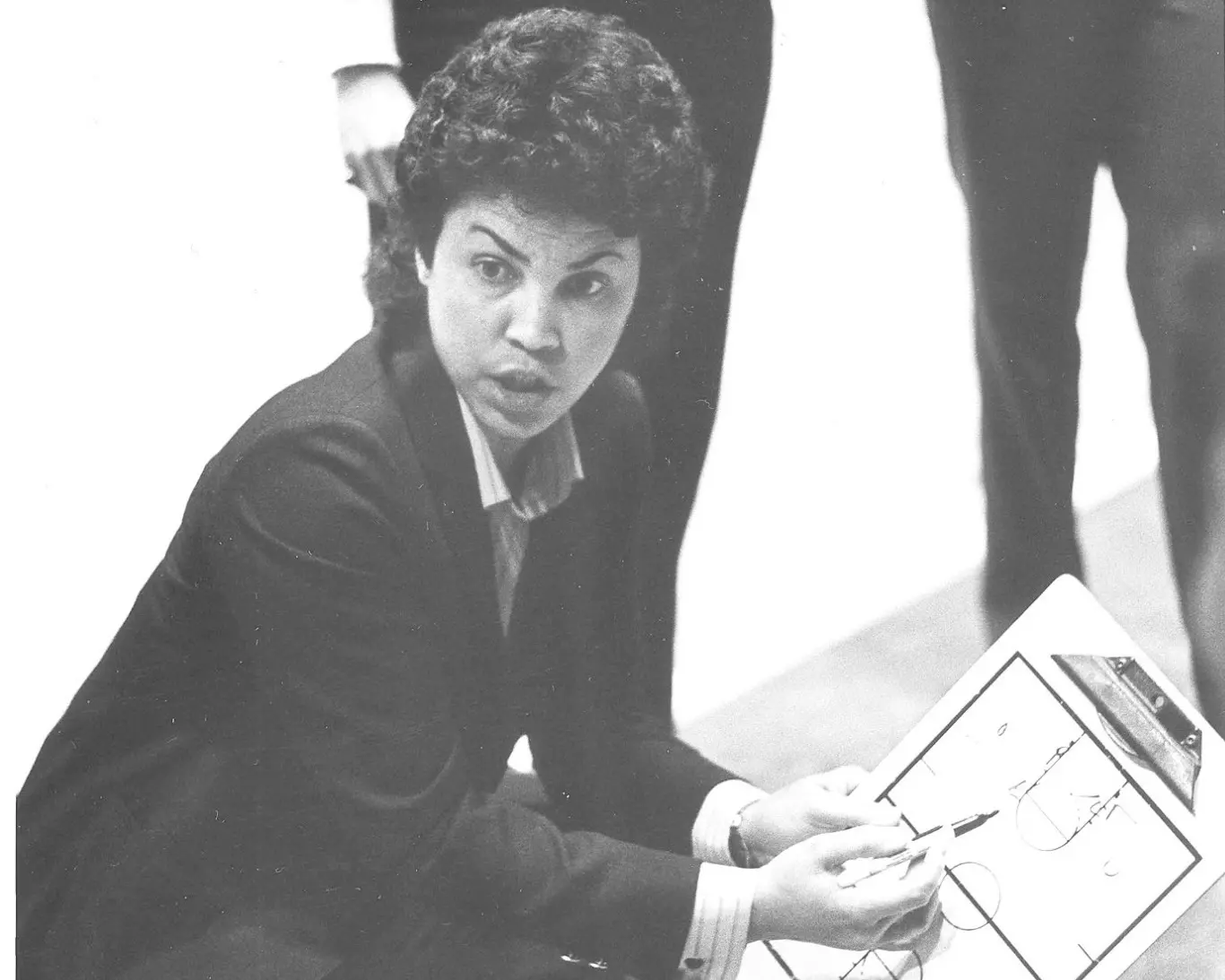
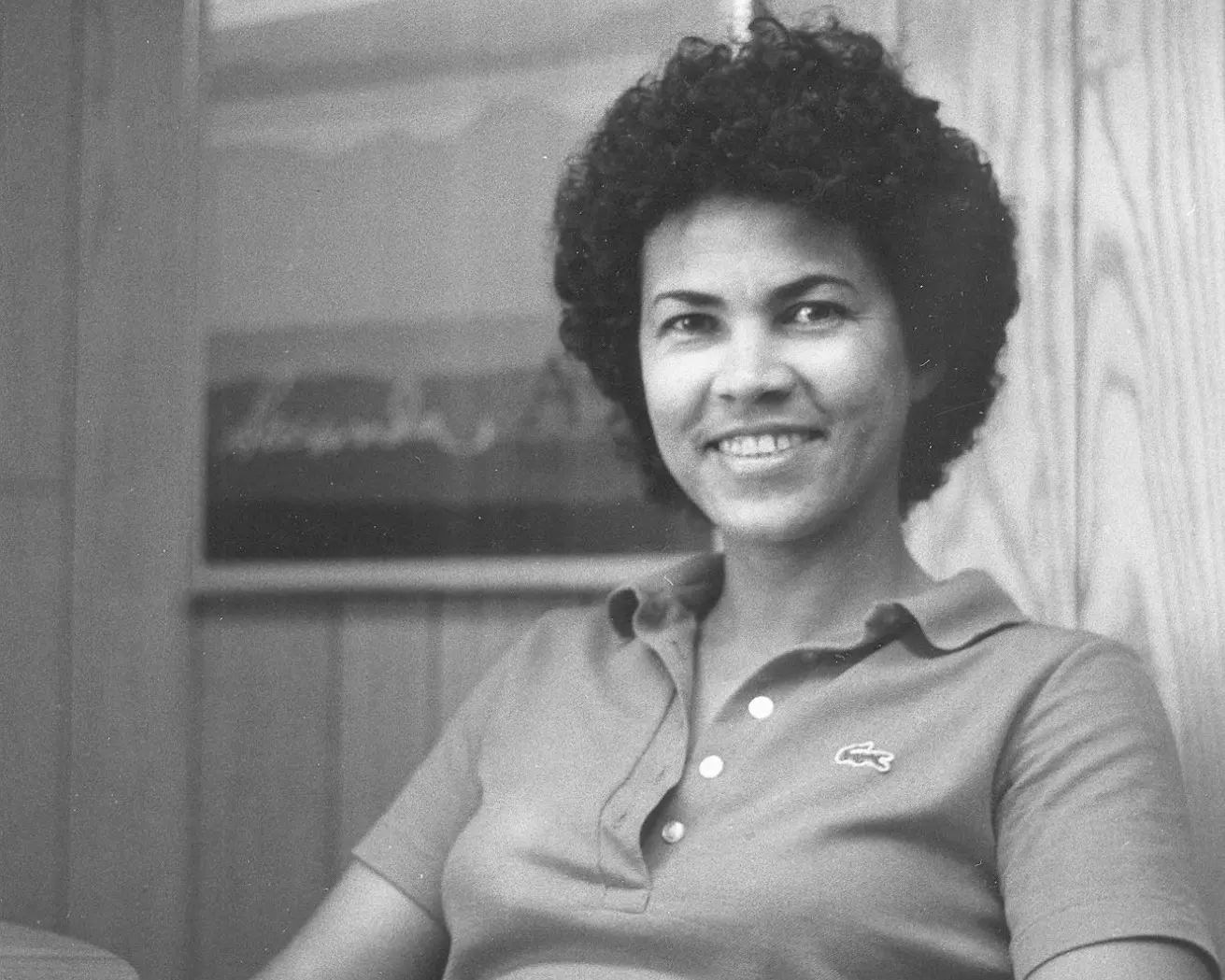
Moseley was anxious to hear from Qualls about her experiences as the first Black women’s coach in UW and Big Ten history. Moseley, who is Black, also wanted to pay her respects to Qualls, who was hired in the summer of 1976 and spent 10 seasons guiding the Badgers to 131-141 record.
“The plan was for her to come to the game and sit down and meet with us and all of that,’’ Moseley said.
Sadly, that opportunity was lost when word came that Qualls unexpectedly passed away Feb. 19.
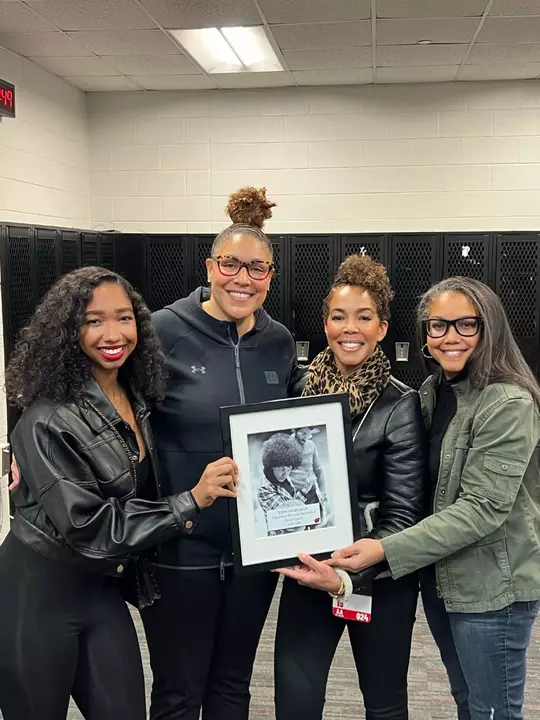
Instead, the Badgers presented the Qualls family – Terri Hines, Jennifer Hines Washington, Brian Washington and Victoria Hines Arrington – with photos from when Qualls was the coach at UW.
“You talk about a trailblazer – the definition of a trailblazer – I feel like she’s synonymous with that,’’ Moseley said.
"You talk about a trailblazer – the definition of a trailblazer – I feel like she’s synonymous with that"Marisa Moseley
Earlier this month, Qualls was interviewed as part of her induction into the Big Ten Impact Pioneers Class of 2024. It’s an association created to honor important Black individuals who have been affiliated with the Big Ten or one of its member schools.
Qualls spoke about her relationship with the late Bill Cofield, who was the first black men’s basketball coach in UW and Big Ten history. She talked about her 1982 squad, which qualified for the Association for Intercollegiate Athletics for Women – a precursor to NCAA inclusion –tournament and knocked off favored Colorado. She also outlined how years of turbulence at Wisconsin prompted her to leave the coaching profession for good.
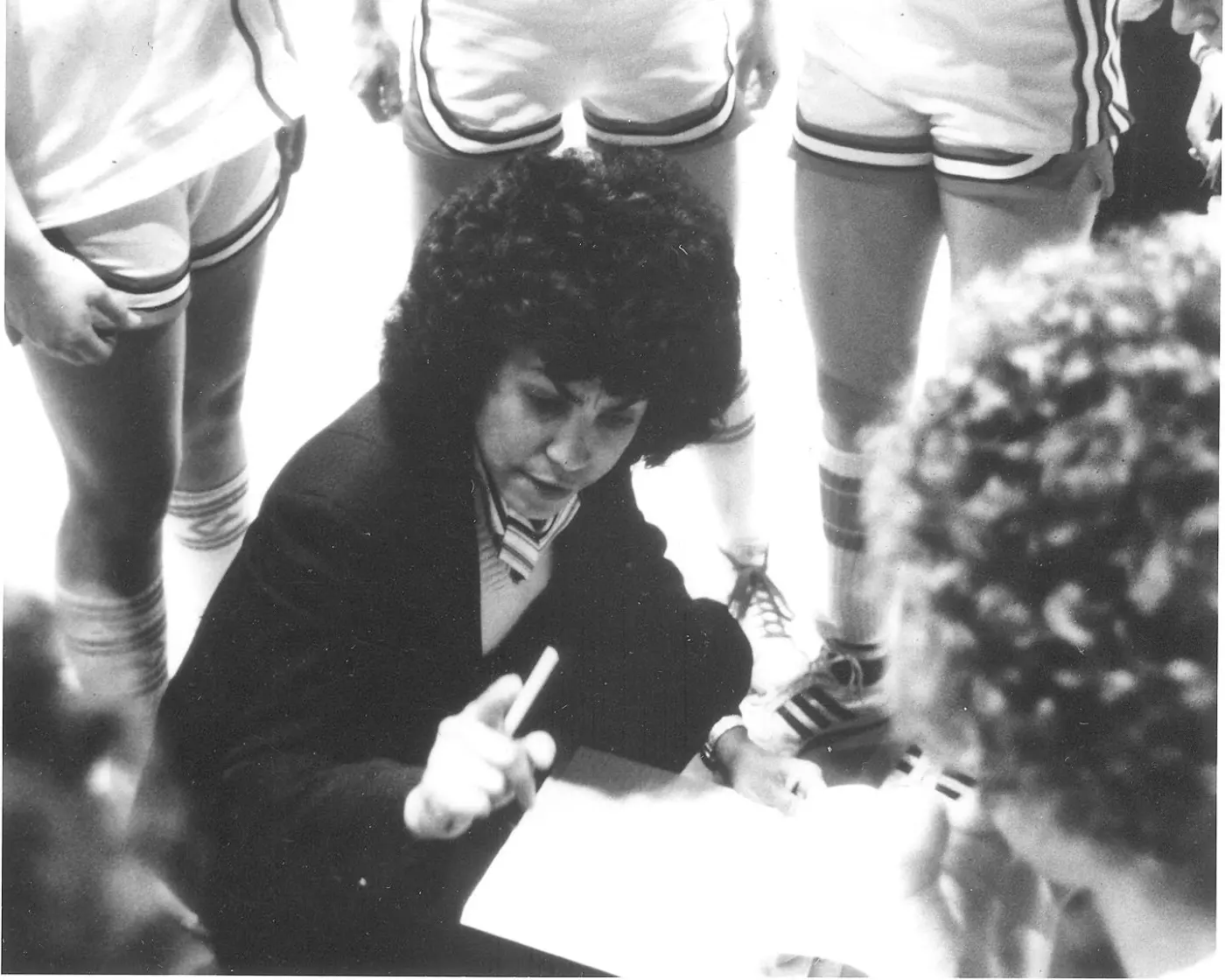
“We often talk with our kids about our responsibility to the people that came before us,’’ Moseley said. “There are so many people – women in particular, particularly in this profession – who have not only broken glass ceilings, but kicked down doors and then reached back and pulled people up. We all have a responsibility to keep doing that as well.
“We’re still fighting things as women and as women of color. Had it not been for her, I may not even be in this position.’’